Discover how a digital marketing marketplace lets small businesses buy strategy, ads, and content services on demand without long agency contracts.
What a Digital Marketing Marketplace Actually Is
For years, getting professional marketing help meant one of two painful choices: hire a full-time employee you could not afford, or sign a long agency retainer that locked you in before you saw a single result. A digital marketing marketplace breaks that pattern. It is a place where you browse, compare, and buy specific marketing services the same way you would add products to a cart, paying only for the work you actually need.
Instead of a vague "we do everything" pitch, a marketplace presents clearly scoped packages: a landing page audit, a month of paid social management, a content calendar, a fractional CMO engagement. You see what is included, what it costs, and what you walk away with. That transparency is the whole point.
Why The Model Took Off
Small and mid-sized businesses drove this shift. They wanted senior-level marketing thinking without senior-level salaries, and they wanted to test a service before committing to a year of it. The marketplace format answers both needs by unbundling marketing into discrete, purchasable units. If you are still mapping out your priorities, our DIY marketing plan is a useful starting point before you buy anything.
How It Differs From The Traditional Agency Model
The classic agency relationship is built around the retainer. You pay a fixed monthly fee, often for six or twelve months, and a team handles whatever falls under the contract. It works well for large brands with steady budgets, but it punishes smaller businesses that have uneven needs and limited cash flow.
A marketplace flips the economics. You buy a single project, see the outcome, and decide whether to buy again. There is no minimum term and no awkward exit conversation. This pay-as-you-go structure is closer to how modern software is sold than how marketing has traditionally been delivered.
Speed And Specialization
Marketplaces also tend to be specialized. Rather than a generalist account manager juggling ten clients, you can buy directly from someone who has run hundreds of Google Ads campaigns or written email sequences for your exact industry. That specialization shows up in the results. When you do want ongoing, dedicated support, you can still hire a marketer for a deeper engagement instead of a one-off package.
The Services You Can Actually Buy
The strength of a good marketplace is range. You should be able to solve a narrow problem or staff an entire function depending on your stage. Common categories include:
- Fractional leadership. A part-time CMO or marketing manager who sets strategy and direction without a full-time salary.
- Paid media. Google, Meta, and Amazon ad campaigns built, launched, and optimized for you.
- Content and SEO. Blog articles, content briefs, keyword research, and on-page optimization.
- Email and lifecycle. Subject lines, sequences, and automation that turn subscribers into buyers.
- Audits and diagnostics. One-time reviews that tell you exactly what to fix first.
Industry-Specific Packages
The best marketplaces go a step further with packages built for specific business types. A coffee roaster, a yoga studio, a law firm, and a furniture retailer all face different marketing realities, and pre-scoped offers for each save you from explaining your industry from scratch. You can explore how this works on the pricing page, where scoped services and subscriptions sit side by side.
Free Tools That Lower The Barrier Even Further
A marketplace is not only about paid services. The most useful ones layer free, self-serve tools on top so you can make progress before you spend a dollar. These tools handle the repetitive groundwork that used to eat hours of an agency's billable time.
If you write content, the blog content generator and blog titles generator get you from blank page to draft in minutes, while a content brief generator keeps every piece on strategy. Planning your publishing rhythm is easier with a content calendar generator.
Tools For Paid And Search
On the acquisition side, a Google keyword research tool and a Facebook ad copy generator help you launch campaigns that are grounded in real demand rather than guesswork. Used together, these free tools effectively give you a junior marketing team that never sleeps.
How To Choose The Right Service For Your Business
With dozens of packages available, the risk is buying the wrong thing first. The cure is to start with a diagnosis, not a purchase. You would not let a doctor prescribe medication before an exam, and marketing is no different.
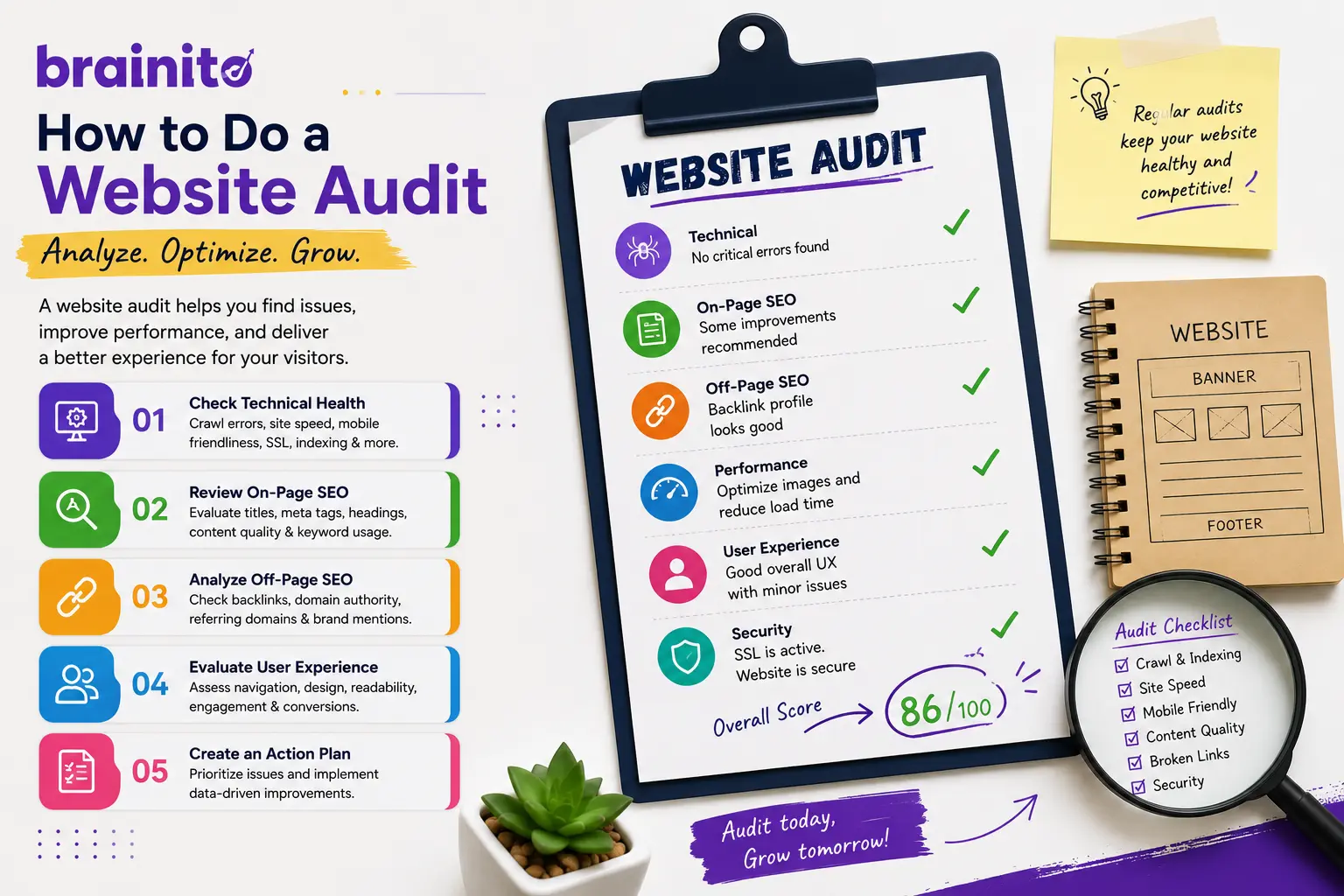
This is where an honest assessment pays off. Our free marketing audit scores your website across 77 factors covering SEO, content, conversion, and technical health, then hands back a prioritized action plan. Instead of guessing whether you need ads or better landing pages, you get a ranked list of what will move the needle fastest.
Match The Service To The Gap
Once you know your weak spots, the marketplace becomes far easier to navigate. Low organic traffic points toward SEO and content services. High traffic with low sales points toward conversion and email work. A thin local presence points toward Google Business Profile help. Running the free marketing audit first means every dollar you spend afterward is aimed at a known problem, not a hunch.
Getting The Most Value From The Marketplace Model
The businesses that win with marketplaces treat them as a flexible toolkit rather than a vending machine. They start small, measure the outcome of each purchase, and reinvest in what works. A single high-impact audit often reveals three or four follow-on projects worth buying in sequence.
They also combine free and paid offerings deliberately. They use the free tools to handle volume and the paid services to handle the work that genuinely requires expertise. And when a part of their marketing needs steady ownership, they graduate from one-off projects to a fractional hire. If you want a structured way to sequence all of this, pair the DIY marketing plan with insights from the blog to keep learning as you go.
Frequently Asked Questions
Is a digital marketing marketplace cheaper than hiring an agency?
For most small and mid-sized businesses, yes. You pay per project or per package instead of committing to a long retainer, so your spend matches your actual needs. You can buy a single audit or campaign, see the result, and only continue if it pays off, which removes the financial risk of a long agency contract.
How do I know which service to buy first?
Start with a diagnosis rather than a guess. Running our free marketing audit scores your site across 77 factors and returns a prioritized action plan, so you can match your first purchase to your biggest gap instead of buying based on instinct.
Can I use a marketplace if I have no marketing experience?
Absolutely. The free self-serve tools and clearly scoped packages are designed for non-specialists, and you can lean on a DIY marketing plan for structure. When a task is beyond you, you can simply hire a marketer to handle it.