Discover the 6 digital marketing trends shaping 2026, from AI search visibility (GEO) to short-form video, automation, and privacy-first growth strategies.
Why 2026 Rewards Marketers Who Adapt Fast
Digital marketing has changed more in the last two years than in the previous decade. Buyers now research with AI assistants, scroll vertical video for hours, and abandon brands that mishandle their data. The playbook that worked a few years ago (chase clicks, buy ads, post often) no longer guarantees growth. In 2026, the winners are the teams that build visibility where attention actually lives and let automation handle the repetitive work.
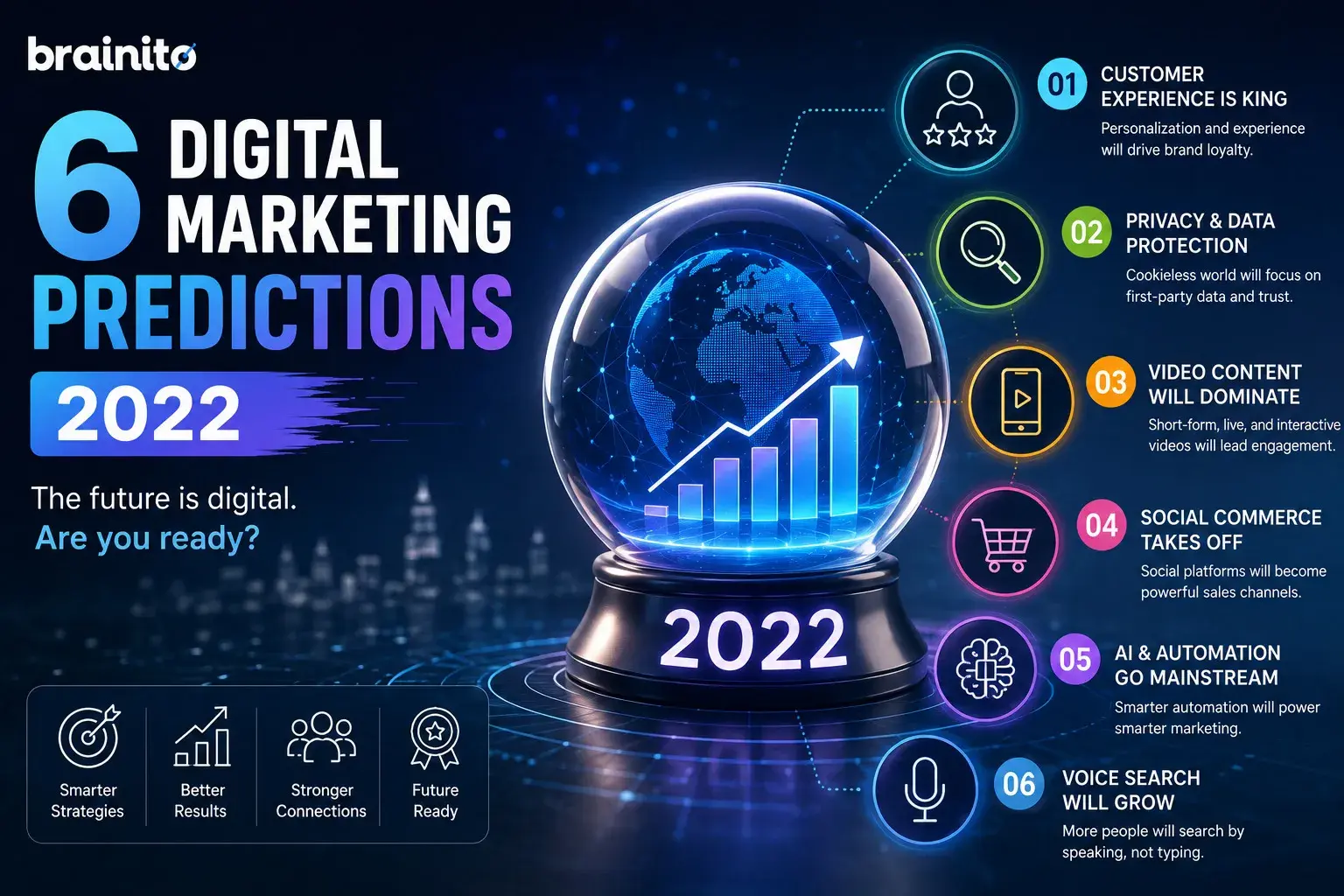
Below are six predictions shaping how smart brands grow this year. None of them require a huge budget. They require focus. If you want a clear starting point, run a free marketing audit first: it scores your website across 77 factors and hands you a prioritized action plan so you fix what moves revenue, not what feels busy.
1. AI Search Visibility (GEO) Becomes the New SEO
Traditional search engine optimization still matters, but a growing share of buyers now get answers directly from AI assistants and AI-powered search results without ever clicking a link. This shift has a name: Generative Engine Optimization, or GEO. The goal is no longer just ranking on page one. It is being the source an AI model cites when it answers your customer's question.
How to earn AI citations
Structure content so machines can extract clear, factual answers: use descriptive headings, concise definitions, comparison tables, and genuine expertise. Build topical authority with clusters of related, well-linked pages rather than one-off posts. A strong backlink audit and a tight content calendar help signal the authority AI engines look for. Brands that adapt early will own visibility long before competitors notice the channel exists.
2. Short-Form Video Is the Default, Not the Bonus
Vertical short-form video has moved from a nice-to-have to the primary way most audiences discover brands. Reels, TikTok, and YouTube Shorts now drive a large share of social reach, and the algorithms reward consistency over polish. You no longer need a studio. You need a clear message, a hook in the first two seconds, and a steady publishing rhythm.
Make short video sustainable
Repurpose one long idea into five short clips. Turn a blog post into a talking-head explainer, a customer win into a quick case study, and a FAQ into a series of answers. If video feels overwhelming, a DIY marketing plan can map which formats fit your audience before you film a single frame.
3. Marketing Automation Handles the Repetitive Work
In 2026, automation is no longer reserved for enterprise teams. AI tools now draft copy, segment audiences, schedule posts, and personalize emails at a scale that small teams could only dream of a few years ago. The point is not to replace marketers. It is to free them from the manual grind so they can focus on strategy, creativity, and customer relationships.
Start with the boring tasks
Automate first drafts and repetitive production. Use a blog content generator for outlines, an email subject line generator to lift open rates, and a Google ad structure generator to build campaigns faster. Keep a human in the loop for tone and accuracy, and you get speed without sacrificing quality.
4. Privacy-First Marketing Wins Long-Term Trust
Third-party cookies are fading, regulations are tightening, and customers are more protective of their data than ever. The brands that thrive treat privacy as a feature, not a hurdle. That means leaning into first-party data: email subscribers, loyalty programs, and direct relationships you actually own instead of rented audiences on platforms that can change the rules overnight.
Build channels you control
Grow an email list with genuinely useful content, and respect the inbox once people join. Transparent data practices increasingly influence whether a buyer chooses you over a competitor. If you are unsure where your data dependencies are too risky, a free marketing audit flags the gaps and shows what to shore up first.
5. Conversion-Focused Content Beats Volume
Publishing more is not a strategy. In a feed crowded with AI-generated noise, content that converts is content with a clear purpose: answer a real question, address a real objection, and point to a clear next step. Strong landing pages, scannable blog posts, and helpful comparison content still do the heavy lifting, just with sharper intent behind every word.
Write for scanners and buyers
Lead with the answer, use short paragraphs and subheadings, and place a relevant call to action where readers naturally pause. Sharpen your headlines with a blog titles generator and plan substance with a content brief generator so every piece earns its place. Quality, structure, and intent will always outrank raw output.
6. Smart Channel Choices Over Doing Everything
The temptation in 2026 is to be everywhere at once: every platform, every format, every trend. The brands that grow do the opposite. They identify the two or three channels where their customers actually pay attention and go deep instead of spreading thin. Local businesses double down on local search and reviews. Niche brands lean into communities and targeted ads.
Not sure where your audience is most reachable. A keyword research tool reveals search demand, a GMB audit tool sharpens local presence, and when you would rather hand it off entirely, you can hire a marketer to run it for you. Explore more tactics on the Brainito blog when you are ready to go deeper.
Frequently asked questions
What is the biggest digital marketing trend in 2026?
AI search visibility (GEO) is the most significant shift. As buyers get answers directly from AI assistants, being cited as a trusted source matters as much as ranking in traditional search. The fastest way to assess your readiness is a free marketing audit, which scores your site across 77 factors and returns a prioritized plan.
Do small businesses need a big budget to compete in 2026?
No. Automation and free tools have leveled the field. A focused DIY marketing plan plus a couple of well-chosen channels often outperforms a scattered, expensive effort. Review pricing to see how affordable a structured approach can be.
Is short-form video worth it if I am not on camera?
Yes. Many high-performing clips use screen recordings, text overlays, product demos, or voiceover instead of a presenter. Start by repurposing existing content, and let tools handle the repetitive production while you focus on the message.