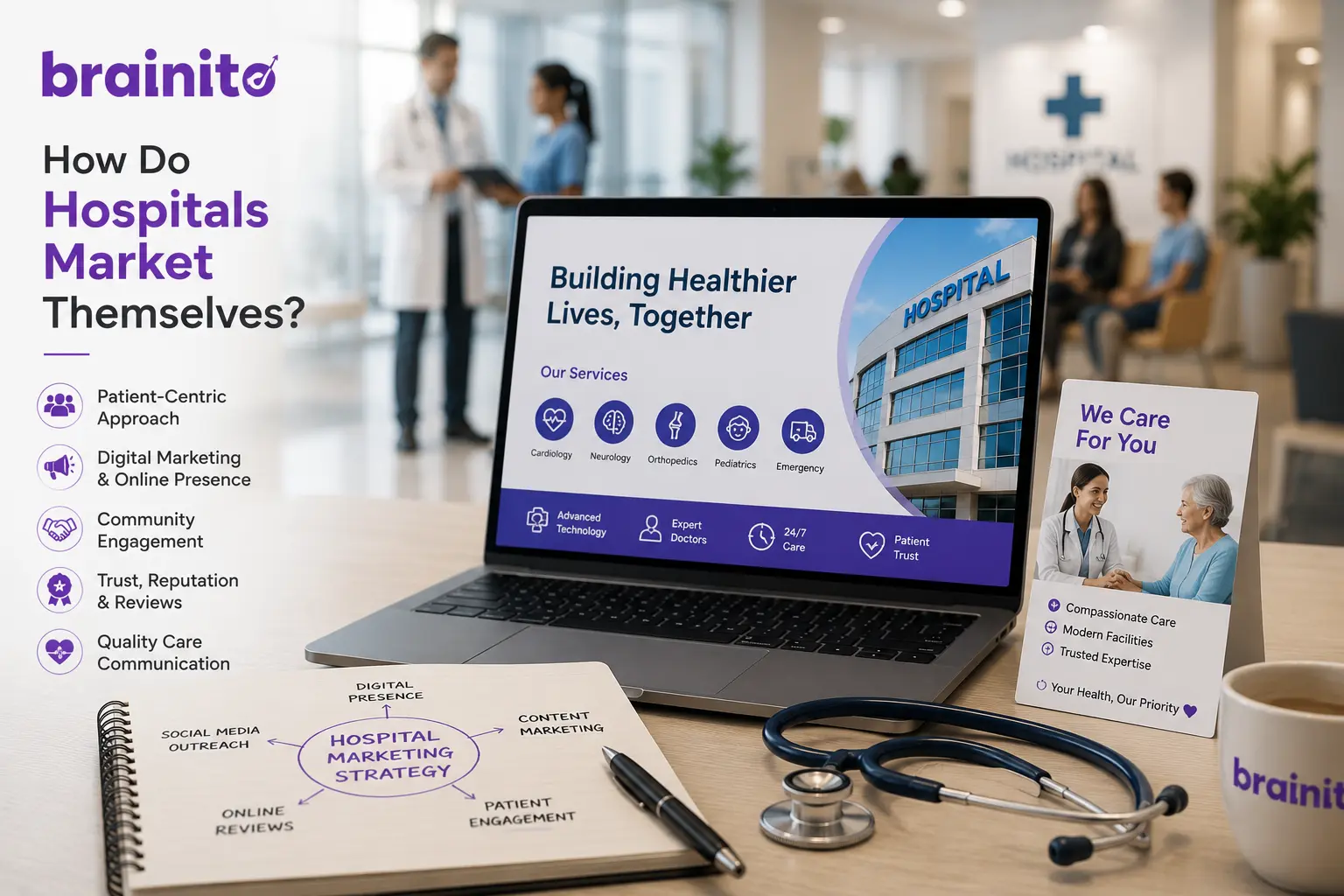
Learn how hospitals and healthcare providers market themselves in 2026 with trust-first content, local SEO, patient experience, and compliance-aware tactics.
Why Healthcare Marketing Is Different
Marketing a hospital is not like marketing a restaurant or a software product. People rarely choose a healthcare provider on impulse. They are often anxious, comparing options carefully, and reading every review before they pick up the phone. That means trust is the real currency, and every channel you use has to reinforce it.
On top of that, healthcare marketers work inside guardrails that most industries never think about. Patient privacy rules, advertising standards for medical claims, and platform restrictions on health data all shape what you can and cannot say. The providers that win in 2026 treat these constraints as a design principle rather than a roadblock.
Trust before traffic
Before chasing clicks, healthcare brands need to look credible at a glance: real provider bios, board certifications, accreditation badges, transparent pricing where possible, and genuine patient stories. If you are not sure where your trust signals are weak, a structured review like a free marketing audit can surface the gaps fast.
Local SEO: Owning the Search Near Me Moment
When someone searches "urgent care near me" or "pediatrician in [city]," the map results decide who gets the visit. For most hospitals and clinics, local search is the single highest-intent channel available, and it is often the most neglected.
Google Business Profile is your front door
Each location needs a complete, accurate Google Business Profile: correct hours, departments, phone numbers, parking notes, photos of the actual facility, and regular updates. Consistency across directories matters too, since mismatched addresses and phone numbers confuse search engines and erode rankings.
Reviews are a ranking factor and a trust factor at the same time. Build a simple, compliant process to invite satisfied patients to leave feedback, and respond to every review in a way that never discloses protected information. To see how your listings actually perform, run them through the GMB audit tool and fix whatever is dragging visibility down.
Location pages that actually rank
If you operate multiple sites, give each one a dedicated page with unique content, service lists, directions, and local context. Thin or duplicated location pages are a common reason healthcare sites underperform in their own neighborhoods.
Content That Educates and Builds Authority
Patients search for answers long before they search for a provider. Someone typing "is this rash serious" today may be your knee surgery patient next year. Helpful, medically sound content captures that early intent and positions your brand as the trusted source.
Answer real patient questions
The best healthcare content is built around the questions people actually ask: symptoms, recovery timelines, what to expect from a procedure, insurance basics, and how to prepare for an appointment. Have qualified clinicians review anything that touches medical accuracy, since search engines increasingly reward expertise and authority on health topics.
Planning this consistently is where most teams stall. A content brief generator helps you structure each article around search intent, and a content calendar generator keeps a steady publishing rhythm instead of sporadic bursts.
Formats beyond the blog
Short explainer videos, downloadable preparation checklists, and clear service-line pages all extend your reach. If you need a fast first draft to react to, a blog content generator can get a topic moving so your clinical reviewers refine rather than start from scratch.
Paid Media and Email Without Crossing the Line
Organic growth is durable but slow. Paid search and social fill the gap, especially for time-sensitive service lines like seasonal flu shots, screenings, or new specialty openings. The key in healthcare is precision: tight ad structure, clear targeting, and copy that avoids exaggerated medical promises.
Search ads that convert
Group campaigns by service line and intent so your spend follows the people most likely to book. A clean account built with a Google ad structure generator prevents wasted budget on broad, irrelevant clicks. Remember that platforms restrict targeting based on health conditions, so lean on intent keywords and geography rather than sensitive personal attributes.
Email that respects the inbox
Newsletters with health tips, seasonal reminders, and facility updates keep your community engaged between visits. Strong subject lines decide whether any of it gets read, and an email subject line generator helps you test angles quickly. Always keep marketing messages separate from anything involving patient health data, and honor opt-outs immediately.
Patient Experience Is the Real Marketing Engine
Every ad and article eventually leads back to one thing: the experience a patient has with your organization. A confusing booking flow, a long hold time, or a clunky portal undoes a lot of expensive marketing. In 2026, the gap between a hospital's brand promise and its actual experience is visible to everyone through reviews.
Make booking effortless
Online scheduling, clear wait-time expectations, accessible website design, and fast mobile pages all reduce friction at the exact moment intent is highest. Treat your website as a clinical front desk that never closes.
Turn experience into reputation
Happy patients become referrals, reviews, and repeat visits, which is the most cost-effective marketing any provider can build. Word of mouth still travels through links and mentions online, so monitoring your backlink profile shows where your reputation is being shaped across the web.
Turning Strategy Into an Action Plan
Most healthcare organizations do not lack ideas. They lack a prioritized order of operations and the clinical-plus-marketing alignment to execute. The smartest first move is to measure where you stand today across local search, content, technical health, reputation, and paid media, then fix the highest-impact issues first.
That is exactly what Brainito's free marketing audit is built for: a 77-factor scan that benchmarks your presence and hands back a prioritized action plan instead of a vague to-do list. From there you can build the work yourself with a DIY marketing plan, or if bandwidth is tight, hire a marketer to run it for you. You can compare options on the pricing page or keep learning on the blog.
Frequently Asked Questions
What is the most effective marketing channel for hospitals?
For most providers, local SEO and an optimized Google Business Profile deliver the highest return because they reach people at the exact moment they are searching for nearby care. Educational content and patient reviews compound that visibility over time, while paid search fills gaps for time-sensitive service lines.
How can hospitals market themselves while staying compliant?
Keep marketing messages separate from any protected patient information, avoid exaggerated or unverified medical claims, respect platform rules on health-based targeting, and have clinicians review content for accuracy. Compliance-aware marketing builds more trust, not less, because it signals professionalism to patients.
Where should a healthcare provider start?
Start by measuring your current presence so you invest in the right fixes first. Running a free marketing audit gives you a clear, prioritized baseline across search, content, reputation, and technical performance before you spend a dollar on ads.